
 ZAR (R)
 GBP (£)
 USD ($)
the african botanicals in your skincare: marula, rooibos, moringa & cape aloe, explained
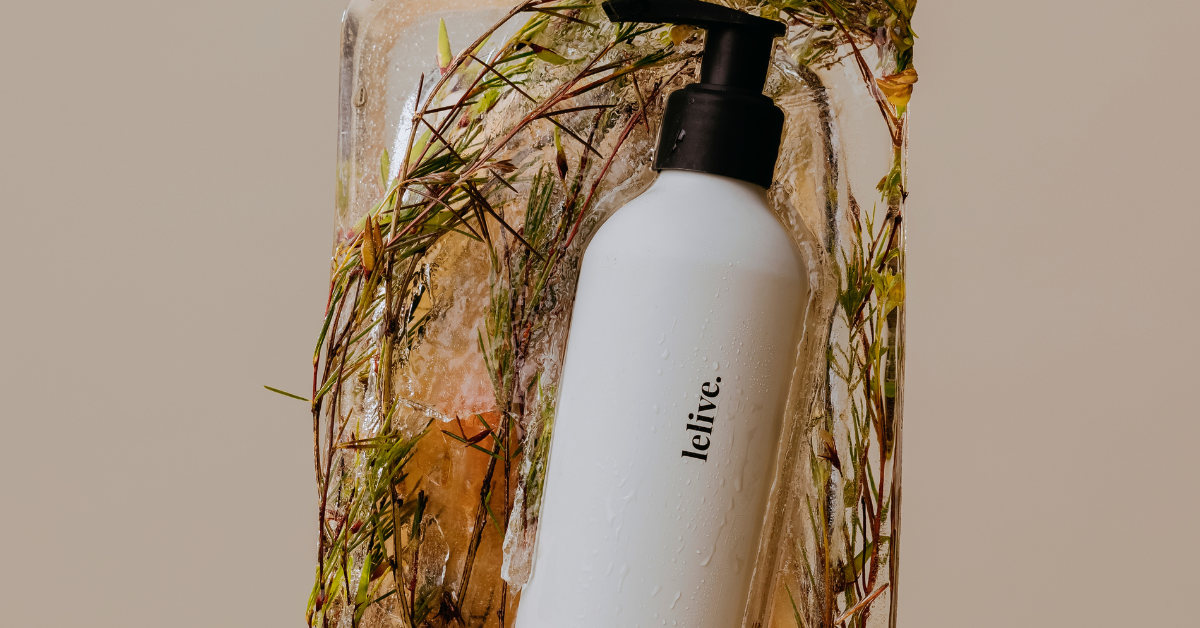
african botanics meet modern science. that's our approach — pairing marula, rooibos, moringa, and cape aloe with proven bioactives, never choosing one over the other. marula hydrates without heaviness, rooibos soothes reactive skin, moringa supports the skin barrier, and cape aloe hydrates and calms — each one formulated alongside a targeted active like vitamin c, niacinamide, or zinc oxide.
scroll any "clean" or "skinimalist" skincare list right now and botanicals get treated as the whole selling point on their own. that's not how we build. marula, rooibos, moringa, and cape aloe do real work in our formulas — but only alongside proven active ingredients.
most explainers stop at "it's natural" and skip the part that actually matters: what is each one doing on your skin, and why does it keep showing up formulated with targetted actives instead of standing in for them.
here's the answer, botanical with botanical — nature doing one job, science doing another, both blended in the same bottle.
what is marula oil good for?
marula oil comes from the seed of the marula fruit, native to Southern Africa, and has traditionally been valued for its lightweight, nourishing feel on skin.
what marula oil does:
- lightweight hydration that absorbs quickly, no greasy after-feel
- traditionally used to help support skin against everyday environmental stress
- softer, more supple-feeling skin with regular use
- a comfortable base for daily-wear formulas like spf, where heaviness is the enemy
nature meets science: in All The Shade | SPF 30 sheer-tinted moisturiser, marula's nourishing finish is what makes our mineral zinc formula feel wearable every day instead of chalky. the botanical handles the feel; the mineral active handles the protection.
why is rooibos used in skincare?
rooibos is indigenous to the Cederberg region of the Western Cape and doesn't grow naturally anywhere else — about as proudly South African as a botanical gets.
what rooibos does:
- a soothing, calming effect — useful for reactive, itchy, or easily-irritated skin
- traditionally used as a mild antioxidant alongside daily skincare
- sits well alongside stronger actives without adding irritation
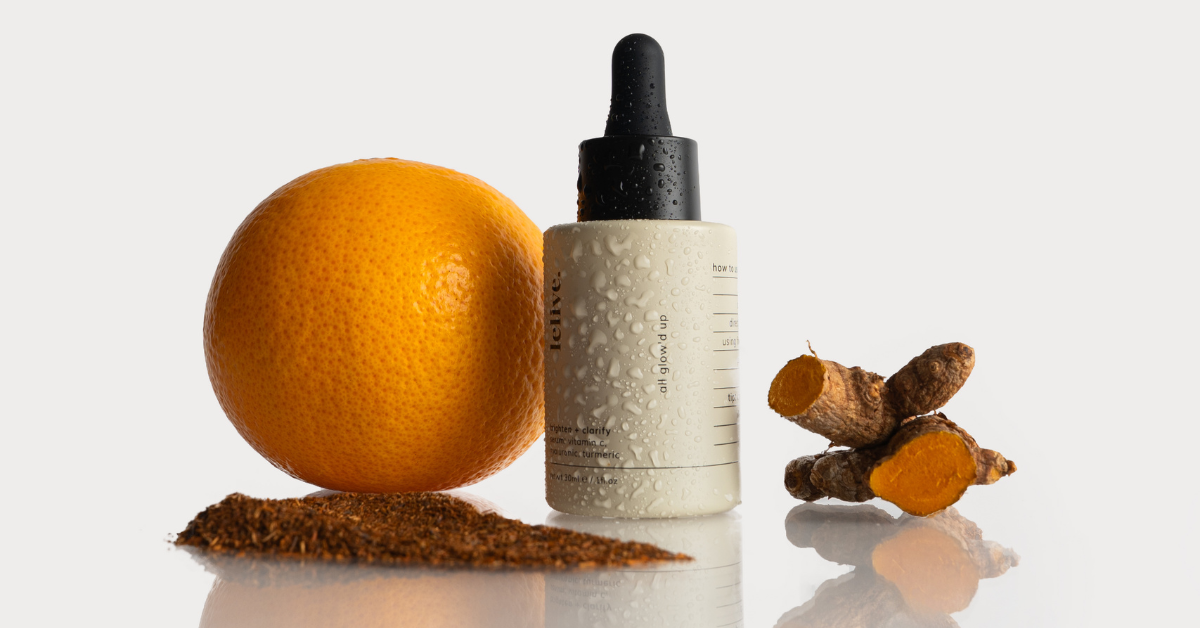
nature meets science: rooibos rarely works alone in a formula — it's the calming layer next to actives that can be more intense on their own. in Jelly Splash | brighten + renew cleanser, it's paired with niacinamide and salicylic acid to control oil and calm breakouts, making it a strong daily cleanser for oilier and acne-prone skin types. in All Glow'd Up | brighten + clarify serum, it's paired with vitamin c — the botanical takes the edge off while the actives do the targeted work to help reduce the look of dark spots and uneven skin tone.
what does moringa oil do for skin?
moringa oil has been called the "miracle tree" for reasons that go well beyond skincare — on skin specifically, it's traditionally valued as nourishing without leaving a greasy or clogged-up feel.
what moringa oil does:
- traditionally used to help support the look and feel of the skin barrier
- delivers lightweight nourishment without heaviness
- pairs well with brightening and firming actives in daily formulas
nature meets science: in Oil La La | brighten + glow body oil, moringa is formulated alongside vitamin c and bakuchiol — a plant-derived retinol alternative. moringa keeps the barrier supported while the other two do the brightening and firming, for a neck-to-toe glow up.
what's the difference between cape aloe and aloe vera?
this is the one people mix up most. cape aloe (Aloe ferox) is a distinct, indigenous South African succulent — not the aloe vera most global skincare brands use. it's been used traditionally across Southern Africa for its calming, hydrating properties.
what cape aloe does:
- delivers lightweight but deep hydration
- calms and soothes, reducing the tight, stripped feeling after cleansing
- helps boost the skin barrier alongside stronger actives
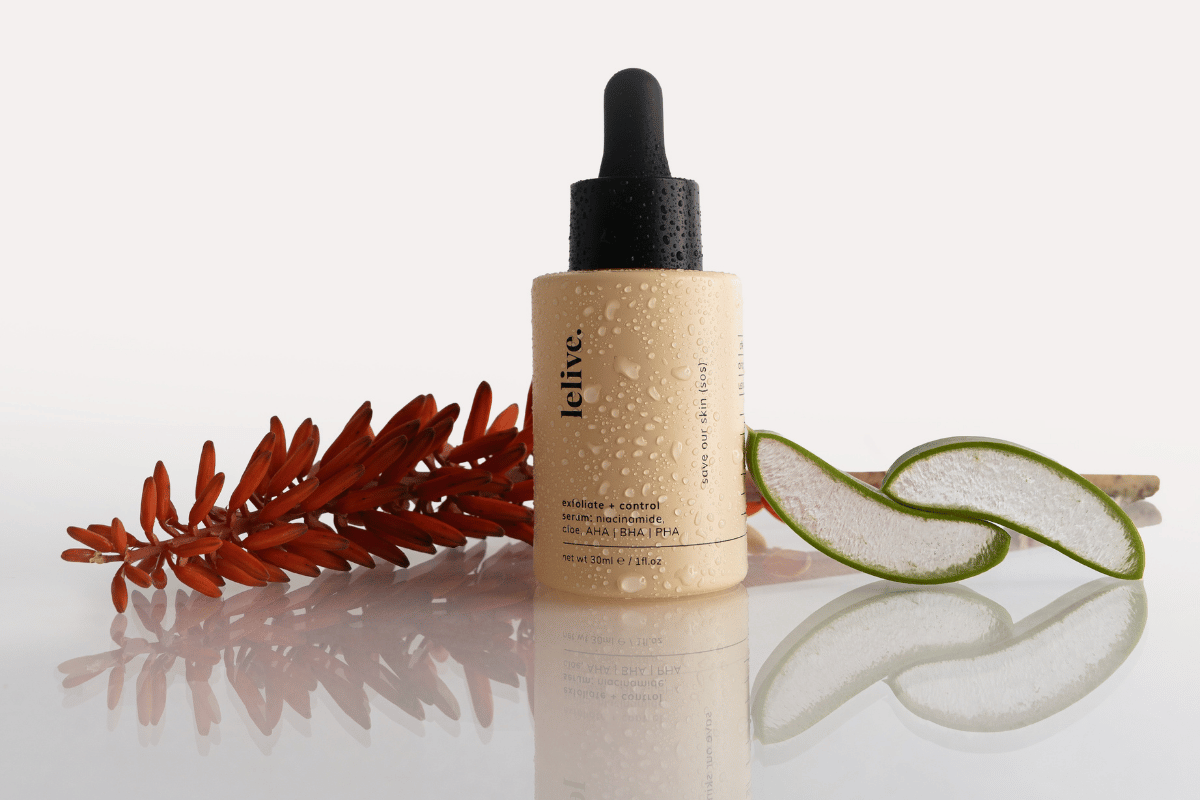
nature meets science: cape aloe is what keeps Clean Slate | cleanse + renew body wash's BHA and lactic acid, and Jelly Splash's salicylic acid and niacinamide, from feeling stripping. the exfoliating and clarifying actives do the renewal work; the aloe makes sure skin doesn't feel tight afterward.
why lelive builds this way
"african botanics meet modern science" isn't a slogan here — it's a formulation approach. botanicals with generations of documented use on the skin types we're formulating for do the supporting work — comfort, nourishment, calm — paired with actives doing the targeted work — brightening, clarifying, renewal. neither one replaces the other.
[shop our collection range here]
frequently asked questions
what is marula oil good for? it's a lightweight, fast-absorbing oil that hydrates, traditionally supports skin against everyday environmental stress, and leaves skin feeling supple without a greasy finish.
what is rooibos used for in skincare? rooibos is used in skincare as a mild antioxidant that soothes skin and helps defend against daily environmental stressors, often formulated alongside stronger actives to offset any potential sensitivity.
what makes cape aloe different from regular aloe vera? cape aloe (Aloe ferox) is a distinct, indigenous South African succulent — different from the aloe vera species used in most global skincare — traditionally valued for its calming, hydrating properties.
is it safe to use these botanicals alongside actives like vitamin c or retinol alternatives? yes — that's how lelive formulates them. marula, rooibos, moringa, and cape aloe are chosen specifically because they sit comfortably alongside stronger actives, to soothe skin rather than competing with them.
do african botanicals work instead of actives, or alongside them? alongside them. botanicals in lelive formulas handle comfort, nourishment, and calm; actives like vitamin c, niacinamide, and zinc oxide handle the targeted work — brightening, clarifying, protection. one doesn't substitute for the other.
Comments